
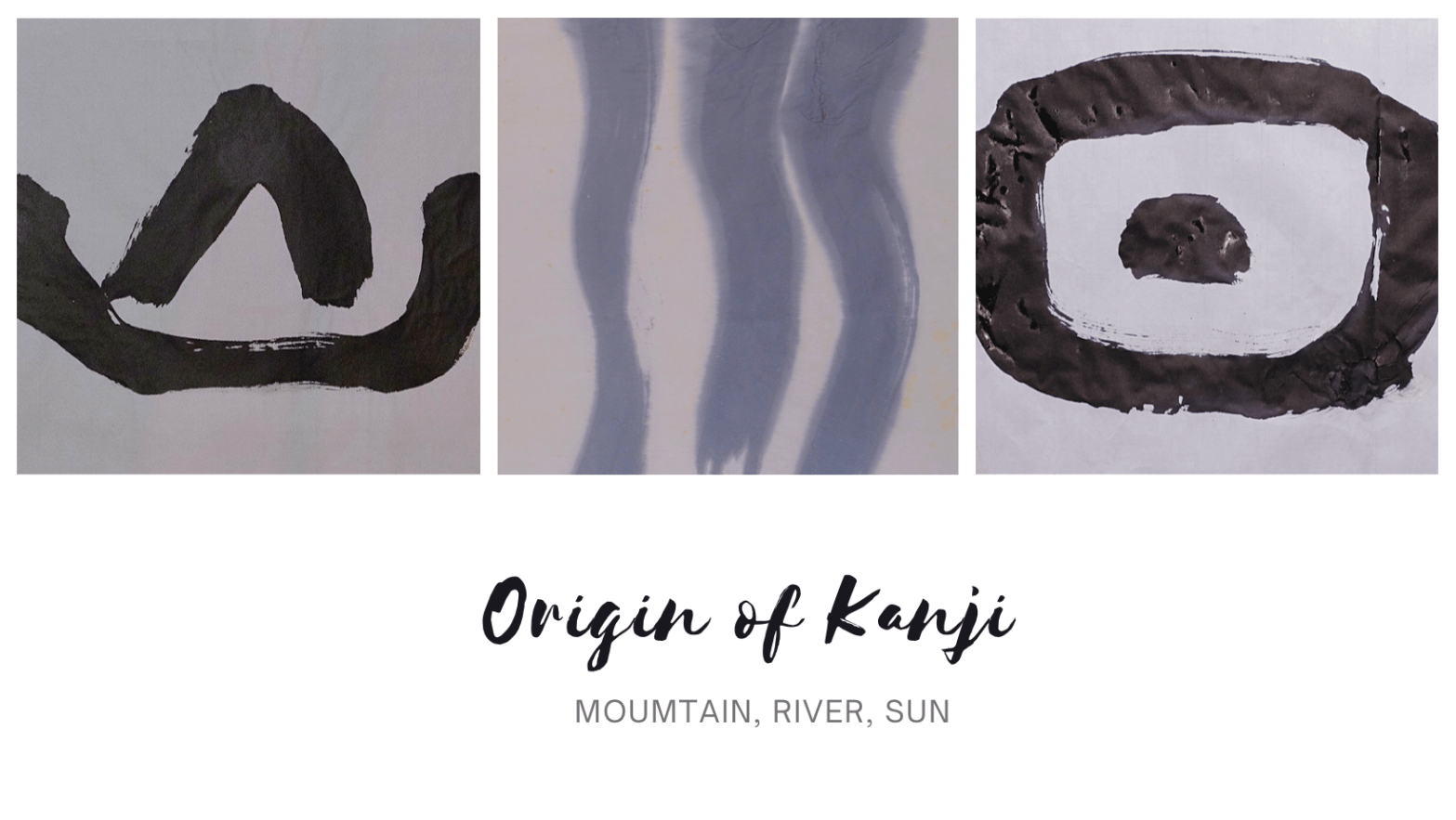
As you may already know, or you might have learnt from this gallery page and our Instagram, kanji characters are symbols representing objects.
Let’s have a look at the following 3 examples:
What is the following kanji character?
What does it represent?
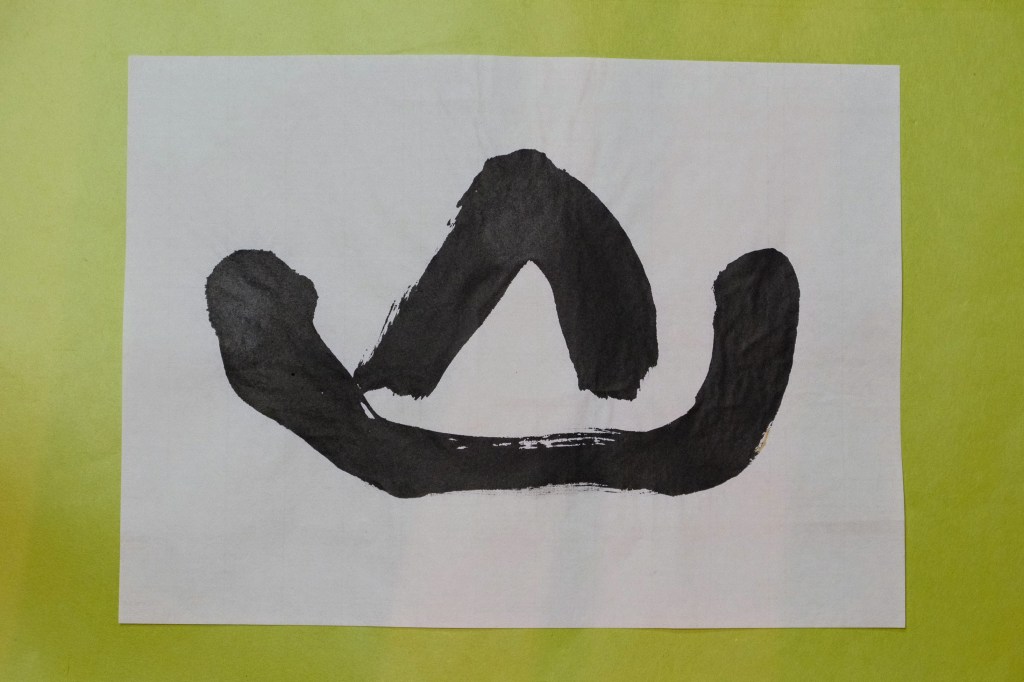
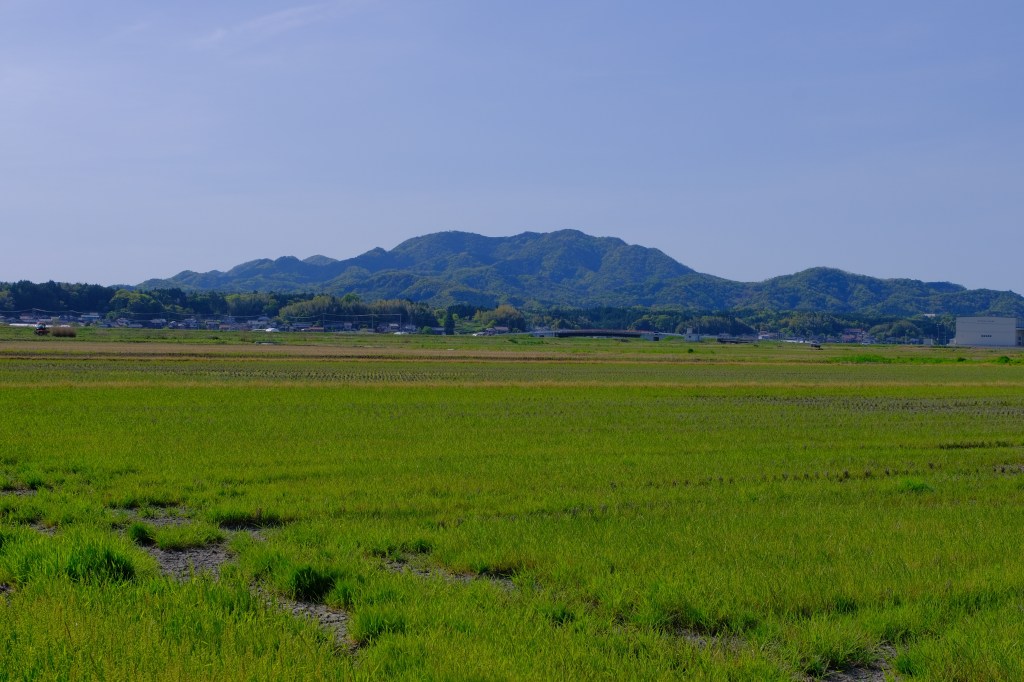
The symbol represents three mountain peaks. You can notice the similarities between the appearance of the kanji character with the shape of a mountain.
山 : Mountainous country Japan and Izumo
Japan is mountainous country. About 73% of the country is mountainous and covered by forests. The highest mountain in Japan is Mount Fuji, with an elevation of 3,776m, located at the border of Shizuoka and Yamanashi prefectures.
Southern side of Izumo region is mountain range called Chugoku Mountains. Chugoku Mountains runs in an east-west direction and stretches approximately 500 km from Hyogo prefecture in the east to the coast of Yamaguchi prefecture.
Next, what is this kanji character represent ?
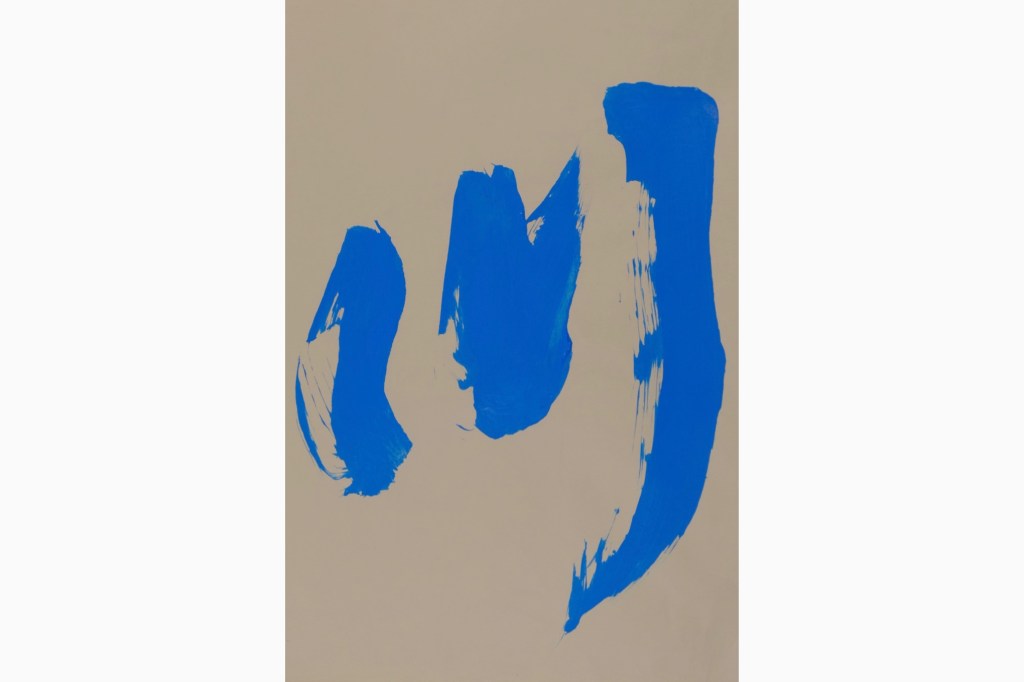
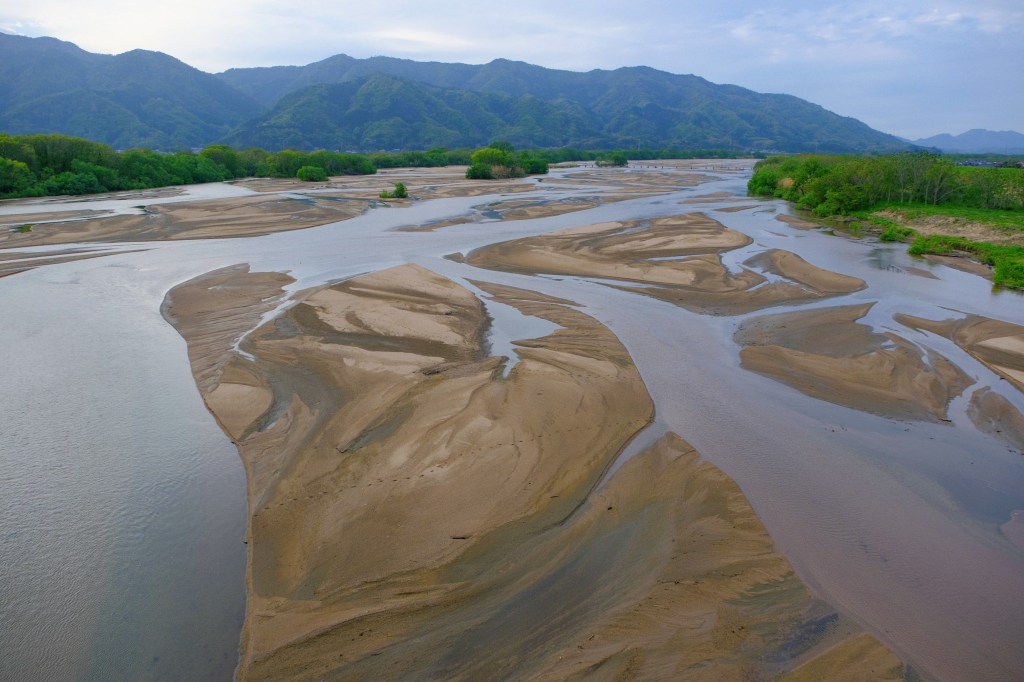
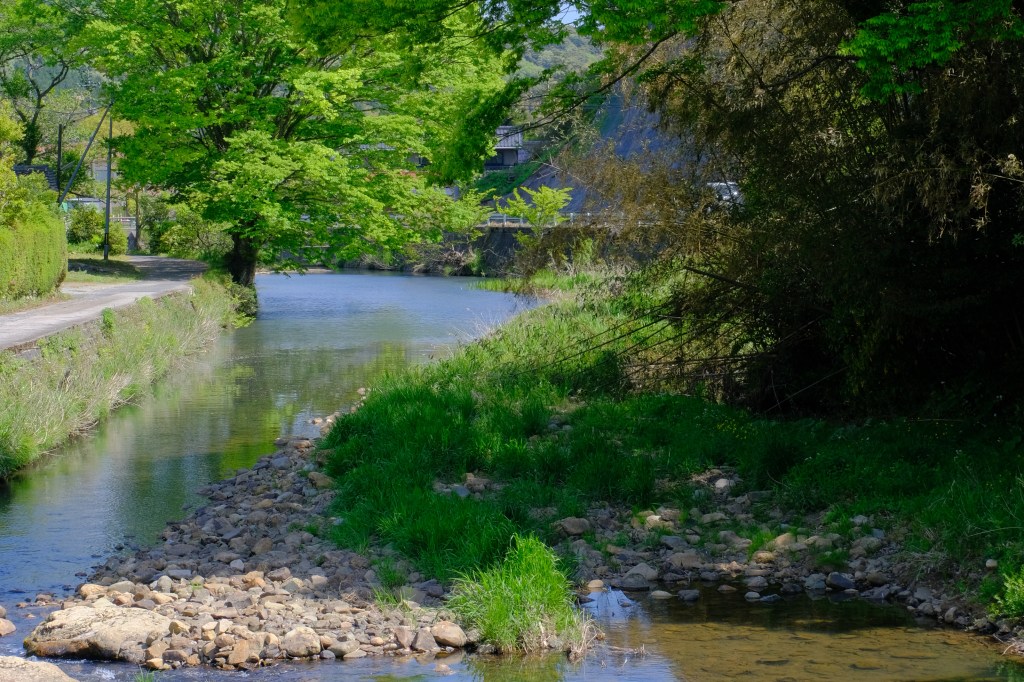
Yes, it’s river or stream.
Three lines in the symbol represent the flow of the river.
川 : Rivers in Japan
There are over 30,000 rivers in Japan. Mountainous area means that lot of rivers and streams run in the mountains. Rivers in Japan characteristically flow directly from mountain to sea, and rivers are short and steep, flow rapidly and sometimes violently.
This is the last quiz. What is this?

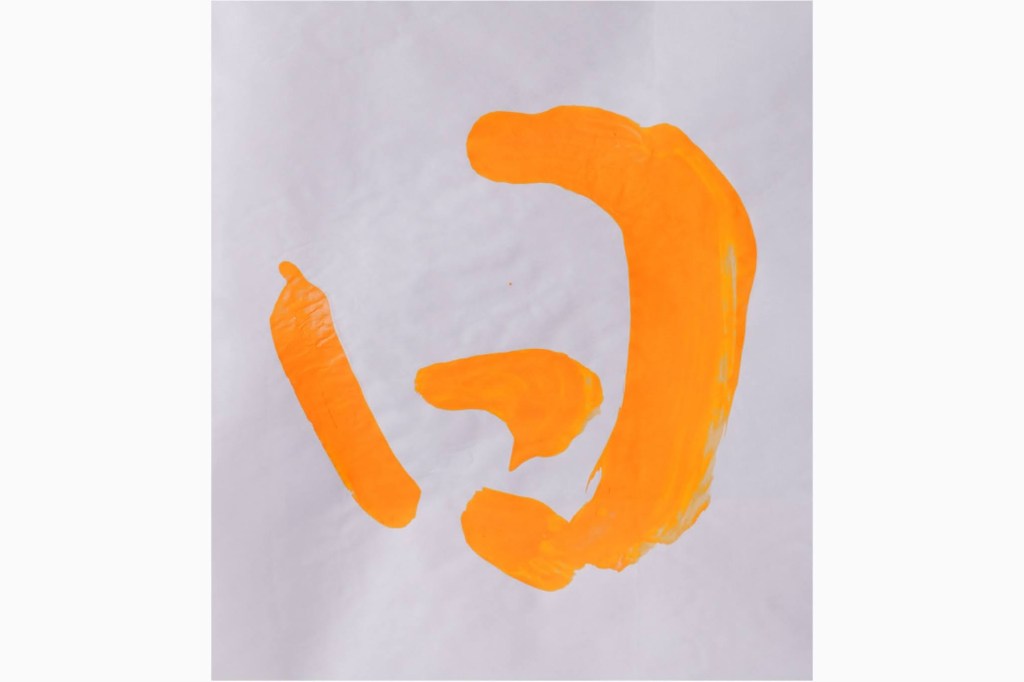
No scenery photograph this time.
The answer is sun. A dot or line is added in the center of distingushed area.
日 : Sun has various useage
This symbol represents sun, its meaning is sun, day, date, Sunday, Japan etc. and the reading is nichi, jitsu, hi, ka, bi, ni etc. As you know, each kanji character has its own meaning and corresponds to a word. This kanji charactor, 日 can be a bit complicated for Japanese language learners. Since it’s one of the most basic and simple character and used for many words, there are many variety of meanings and readings.
Japan is written as 日本(Nihon) in Japanese, 日(ni) means “sun” and 本(hon) means “origin”. The expression “The land of the rising sun” is actually a translation of the name that ancient Japanese used to refer to their own country. It’s a term that could refer to the geographycal location of the country on the edge of Asia.
Learn kanji by visual pictures
The earliest Chinese characters or kanji were simple pictures of the things they represented. Although all the principal writing systems of the world began with pictures, these were in almost all cases simplified to abstract symbols that were eventually used for their sound values, giving rise to the major alphabet systems of the world. This happened everywhere but in China, where the primary function of the characters has always been to express both meaning and sound, rather than just sound.
If you start learning Chinese characters or kanji, visual pictures can be truly helpful for you to understand kanji well.
 Izumo Calligraphy Art | 出雲書アート